

Talk to our Doctor


Bhilawa
Botanical Name
Semecarpus anacardium L. f..
Family
Anacardiaceae.
Regional Name
English : Marking Nut , Hindi : Bhilawa , Sanskrit : Aruskara, Bhallata , Urdu : Baladur, Bhilavan , Punjabi : Bhilawa , Assamese : Bhelaguti , Bengali : Bhela , Gujrati : Bhilam , Kannada : Bhallataka , Malayalam : Chera , Marathi : Bibba , Oriya : Bhollataki, Bholai.
Part Used
Fruit.
Description
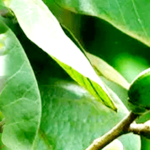
Bhilawa is a medium-sized tree found in moist deciduous forests all over the country. Fruit laterally flattened drupaceous, dark brown, nut 2.5-3 cm long, obliquely ovoid, smooth, shining with the residual receptacle.
Phytoconstituents
A Tarry Oil containing Anacardic Acid, Non-Volatile Alcohol (Cardol).
Medicinal Uses
Bhilawa is used to treat skin diseases, vitiligo, piles, guinea-worm, splenomegaly, scrofula, rheumatism, as a depilatory, for regaining normal color, as rejuvenating, as an aphrodisiac, alopecia, worms, poisoning, malarial fever. Chronic skin diseases. It is an appetizer and used to stimulate the digestive system. It is good for improving digestion. It is relieving for constipation, digestive disorders, abdominal distention, ascites, piles, and various types of worm infestation. It is used to treat various nerve-related disorders like sciatica, epilepsy, facial paralysis, etc.
Ayurvedic Properties
Rasa : Madhura, Katu, Tikta, Kasaya, Guna : Laghu, Snigdha, Tiksna,Virya : Usna, Vipaka : Madhura , Karma : Dipana, Kaphahara, Pacana, Vitahara, Chedi, Bhedi, Medhya.
Ayurvedic Applications
Arsa, Anaha, Grahani, Gulma, Krimi, Kustha.
Information on this website is provided for informational purposes and is not meant to substitute for the advice provided by your own physician or other medical professionals. This website is meant for use by Indian residents only.