

Talk to our Doctor


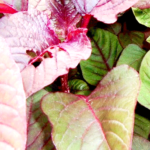
Chaulai
Botanical Name
Amaranthus spinosus L.
Family
Amaranthaceae.
Synonyms
Galliaria spinosa (L.) Nieuwl.
Regional Name
English : Spiny pigweed
Hindi : Adak-dhatura, Cauleyi, Cholai, Chaulai, Kantio Chandelo, Kataili, Kateli
Kannada : Mulla-dantu, Mulladantu, Mulluharivesoppu
Malayalam : Cerucira, Mullan-chira, Mullanchira, Mullancira
Marathi : Chanalai, Thanduliya
Sanskrit : Alpamarisha, Bahuvirya, Bhandi, Bhandira, Kandera, Kantaki
Tamil : Cemmulli, Cemmullikkirai, Civappumullikkirai, Erumaikkacikacceti, Erumaikkacikam
Telugu : Crramullugoranta.
Part Used
Whole Plant.
Description
Chaulai is an annual herb, mostly erect, up to 1.5 m in height. It is found through tropical and subtropical latitudes around the world and found in cultivated fields, waste places, roadsides, garbage heaps, and abandoned fields. Leaves are glabrous or with sparse hairs on the main veins below, long petiolate, up to 9 cm. The leaf axils bear pairs of fine and slender spines. Flowers green in axillary clusters and branched terminal spikes. Male flowers in the apical part of the spikes.
Phytoconstituents
The leaves contain protein, fat, carbohydrates, fiber, calcium, phosphorus, iron, sodium, potassium, and many vitamins (A, C, niacin). Leaf also contains anthraquinone derivatives, cardiac glycosides, saponins, and amino acids. It also contains 7-p-coumaroyl apigenin 4-O-beta-D-glucopyranoside, a new coumaroyl flavone glycoside called spinoside, xylofuranoxyl uracil, beta-D-ribofuranosyl adenine, beta-sitosterol glucoside, hydroxycinnamates, quercetin, and kaempferol glycosides, betalains, betaxanthin, betacyanin; amaranthine and isoamaranthine, gomphrenin, betanin, b-sitosterol, stigmasterol, linoleic acid, rutin and beta-carotene.
Ayurvedic Properties
Rasa : Tikta, Katu, Kasaya, Guna : Snigdha, Tiksna, Virya : Usna, Vipaka : Katu, Karma : Vatahara, Kaphahara, Rasayana, Ubhayatobhagahara.
Medicinal Uses
It is used for fever, bronchitis, snake bites, boils, stomach disorders, bacillary dysentery, diarrhea, acute and chronic gastroenteritis, urinary tract inflammation. Leaves are used as a laxative, on boils and as a poultice for abscesses, relief bruises, burns, wound, inflammation, internal bleeding, excessive menstruation, vaginal discharges, menorrhagia, gonorrhea, eczema, ulcerated mouths, nosebleeds, eczema for ulcers and sores, colic and as lactagogue.
Ayurvedic Applications
Anaha, Arsa, Grdhrasi, Gandamala, Gulma, Jvara, Kandu, Kaphavataja roga , Krmi, Kustha, Sotha, Prameha, Raktavikara, Tvak roga, Udara , Udavarta,Vrana.
Information on this website is provided for informational purposes and is not meant to substitute for the advice provided by your own physician or other medical professionals. This website is meant for use by Indian residents only.