

Talk to our Doctor


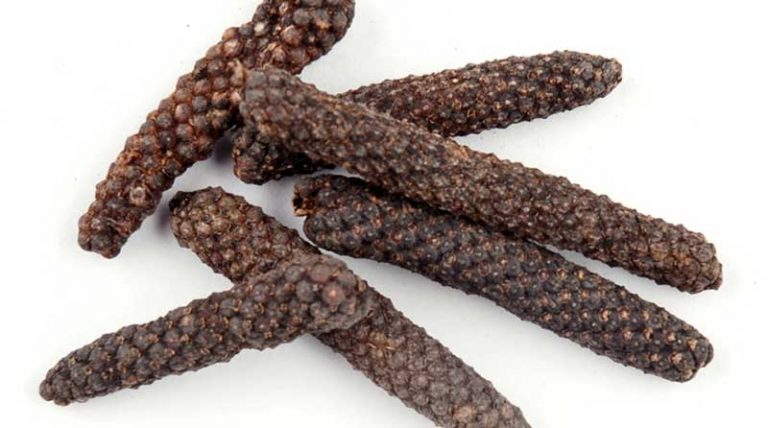
Pipal
Botanical Name
Ficus religiosa L , Family :- Moraceae.
Synonyms
Ficus caudata Stokes, Ficus peepul Griff., Ficus rhynchophylla Steud., Ficus superstitiosa Link, Urostigma religiosum (L.) Gasp.
Regional Name
English : Pipal tree , Hindi : Pipala, Pipal , Sanskrit : Pippala , Punjabi : Pipal, Pippal, Assamese : Ahant , Bengali : Asvattha, Ashud, Ashvattha , Gujrati : Piplo, Jari, Piparo, Pipalo , Kashmiri : Bad , Malayalam : Arayal, Marathi : Pipal, Pimpal, Pippal , Oriya : Aswatha , Tamil : Ashwarthan, Arasamaram, Arasan, Arasu, Arara , Telugu : Ravichettu.
Part Used
Fruit & Leaf.
Description
Pipal is a large perennial tree, glabrous when young, found throughout the plains of India up to 170 m altitudes in the Himalayas, largely planted as an avenue and roadside tree, especially near temples. Bark occurs in flat or slightly curved pieces, varying from 1.0-2.5 cm or more in thickness, outer surface brown or ash-colored, surface uneven due to exfoliation of cork, inner surface smooth, and somewhat brownish, fracture, fibrous, taste, astringent.
Phytoconstituents
Pipal Contains Tannins, steroids, alkaloids and flavonoids, β-sitosteryl-D-glucoside, vitamin K, n-octacosanol, methyl oleanolic, lanosterol, stigmasterol
Ayurvedic Properties
Rasa : Kasaya , Guna : Guru, Ruksa, Virya : Sita , Vipaka : Katu , Karma : Varnya, Kaphapittavinasi, Sangrahi, Bhagnasandhanakara, Mutrasa ngrahaniya.
Ayurvedic Applications
Prameha, Raktapitta, Vrana, Vatarakta, Yonidosa.
Medicinal Uses
Pipal is used in the treatment of diarrhea, diabetes, epilepsy, inflammatory disorders, and gastric problems, sexual and infectious disorders. The leaves and the bark are used for controlling dysentery and diarrhea.
Information on this website is provided for informational purposes and is not meant to substitute for the advice provided by your own physician or other medical professionals. This website is meant for use by Indian residents only.